


Struggling to understand how forex trading works? The forex market is the largest financial market, with a daily trading volume of about $7.5 trillion. This guide on “Forex 101” will explain key concepts like currency pairs, exchange rates, and strategies in simple terms.
Keep reading to start your journey into currency trading today!
The forex market is a massive global network where currencies are traded. Traders and institutions exchange one currency for another based on real-time values.
Forex, or the foreign exchange market, acts as a global marketplace for trading national currencies. It supports international trade and business by enabling currency exchange between countries.
Traders also use it to speculate on price changes or hedge risks in financial markets.
This market holds the title of being the largest and most liquid, with daily trading volumes exceeding £5 trillion. Its size even surpasses all stock markets combined. You can engage in forex trading to seek profits from movements in currency values like EUR/USD or USD/JPY pairs.
The forex market operates electronically over-the-counter (OTC). There is no centralised marketplace. Trades occur through a network of banks, brokers, financial institutions, and retail traders.
Activity runs non-stop from Sunday at 5 p.m. ET until Friday at 4 p.m. ET. The global nature ensures continuous movement as markets open in major financial hubs like Sydney, Tokyo, London, and New York.
Currency pairs are quoted to measure the value of one currency against another. For example, EUR/USD shows how many US dollars equal one euro. Prices move due to supply-demand changes influenced by interest rates, economic data, or geopolitical events.
You can trade using bid prices when selling or ask prices when buying; the difference is called the bid-ask spread.
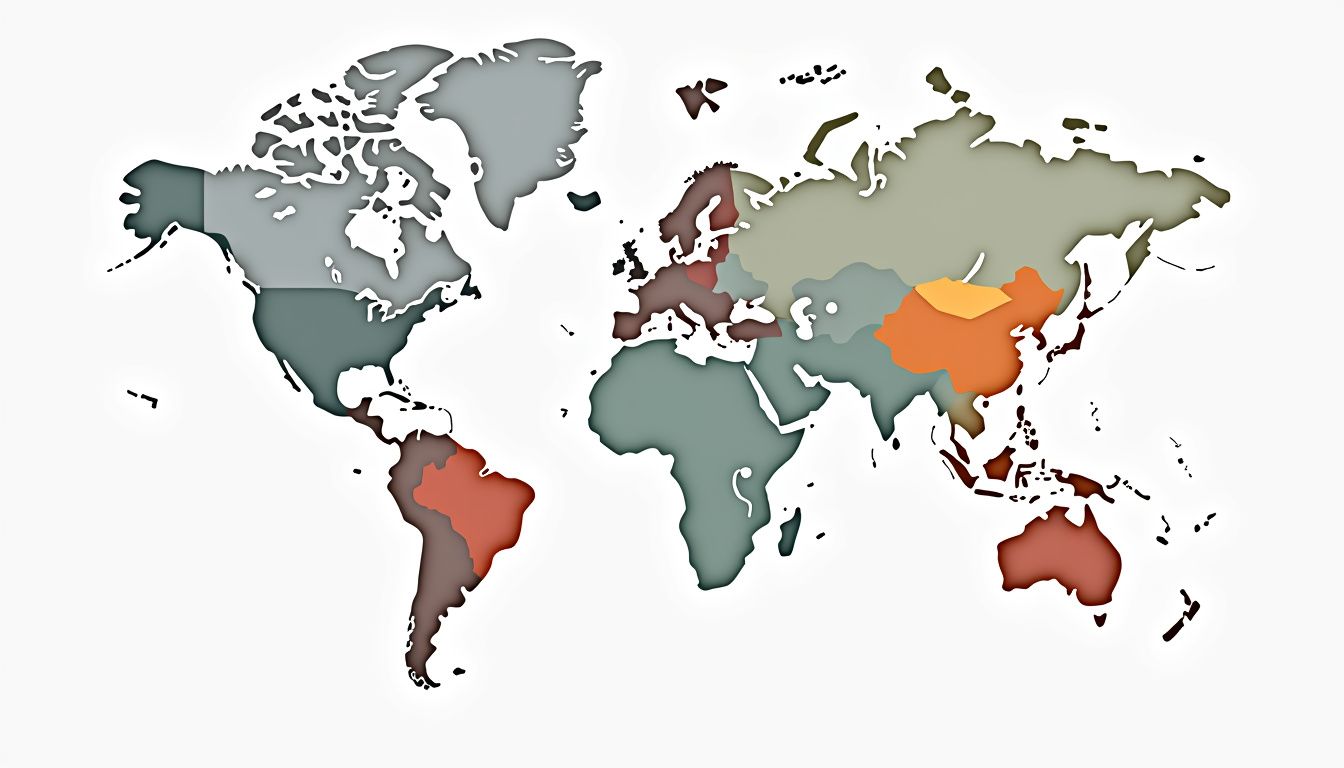
Forex, short for foreign exchange, represents the global marketplace where currencies are bought and sold. You engage in forex trading by exchanging one currency for another pair, such as GBP/USD or EUR/JPY.
Exchange rates show how much of one currency you can trade for another and fluctuate based on supply, demand, and economic factors like inflation or interest rates.
Historically dominated by banks and financial institutions, the forex market is now open to individuals through online platforms. Unlike physical exchanges seen at airports before 2020, modern forex operates digitally with retail traders joining large players like central banks.
Trading aims to profit from changes in bid prices and ask prices during active sessions across regional markets.
Every currency trade involves both a seller and buyer; your gain depends entirely on timing amid rapidly shifting values.
The forex market operates 24 hours during trading sessions, allowing you to trade at times that fit your schedule. Major currency pairs like EUR/USD or USD/JPY often see high trading volume due to participation from banks and retail traders.
Currencies trade in pairs like EUR/USD or GBP/USD. In these pairs, the first currency is the base currency, and the second is the quote currency. The exchange rate shows how much of the quote currency equals one unit of the base currency.
For example, if EUR/USD stands at 1.20, it means one euro equals 1.20 US dollars.
Major pairs include popular combinations such as USD/JPY and USD/CHF. These usually involve high trading volumes due to their global demand. Minors exclude USD but feature strong currencies like EUR/AUD, while exotic pairs involve less-traded options like USD/TRY.
You benefit by predicting how these rates change between currencies over time.
Central banks, financial institutions, corporations, hedge funds, and individual traders play active roles in the forex market. Central banks influence currency values by adjusting interest rates or intervening during volatility.
Large-scale organisations like hedge funds and multinational companies manage foreign exchange risks or execute trades to profit from currency movements. Retail traders represent around 3-5% of daily trading volume but still account for $200-300 billion of activity.
The forex market operates 24 hours a day from Monday through Friday, closing only on weekends. Trading sessions begin in Auckland and move across major regions including Tokyo, London, and New York.
This rotation provides you with continuous opportunities to trade regardless of your time zone. Major pairs such as EUR/USD or USD/JPY often experience higher trading volumes aligning with these sessions’ peak hours.
Understanding session timing helps you maximise potential profits.
Forex markets differ based on how trades are executed or settled. These categories offer traders flexibility to match trading goals and strategies.
The spot market allows you to exchange currencies at their current prices. Trades settle quickly, usually within two business days, making it one of the fastest types of forex trading.
This market handles an impressive daily trading volume of about $2 trillion. Retail traders like yourself benefit from its simplicity and real-time pricing based on supply and demand for currencies such as EUR/USD or USD/JPY.
Explore other markets like forwards and futures to expand your knowledge further!
Forwards involve private contracts between parties to trade a currency at an agreed price on a specific future date. These over-the-counter agreements cater to businesses or investors looking to hedge risks such as currency rate fluctuations.
For example, a UK business importing goods from the US can lock in an exchange rate today for payments due in six months.
Futures are standardised contracts that you trade on regulated exchanges like CME. They specify details like amount, price, and settlement date. Unlike forwards, futures offer transparency because exchanges guarantee them.
Such contracts allow traders and institutions to manage risk or speculate on market movements before the contract expires. Both are legally binding tools widely used in financial markets for hedging and speculation purposes.
Learning key forex terms builds your trading foundation. Understand these basics to analyse trades with more confidence.
The base currency represents the first currency in a pair, such as EUR in the EUR/USD combination. The quote currency is always listed second, like USD in the same example. Exchange rates show how much of the quote currency you need to buy one unit of the base currency.
Most major pairs include USD as either the base or quote currency due to its global dominance. For instance, GBP/USD refers to one British pound measured against US dollars, while USD/JPY shows US dollars compared to Japanese yen.
Understanding this structure helps you track fluctuations and trade effectively within the forex market.
A pip measures the smallest price change in a currency pair. For most pairs, like EUR/USD, this is 0.0001. If EUR/USD moves from 1.1050 to 1.1052, that equals two pips. Pips help you track gains or losses in forex trading.
Lot sizes determine how much currency you trade at once. A standard lot represents 100,000 units of the base currency, while mini lots equal 10,000 units and micro lots are 1,000 units.
Leverage boosts your buying power by letting you control larger positions with less capital. With leverage of 20:1 and a £500 deposit, for example, you can manage £10,000 worth of trades but need only a 5% margin to secure it.
Next comes exploring basic forex trading strategies that fit your style and goals.
Traders use different approaches to profit in the forex market. Each strategy matches specific goals, timeframes, and risk preferences.
Day trading focuses on opening and closing positions within the same day. You aim to profit from short-term price changes in the foreign exchange market. This strategy suits highly volatile currency pairs such as EUR/USD or GBP/USD, where price movements occur frequently.
It requires vigilance, as forex prices shift rapidly during active trading sessions.
You often use tools like charts and technical analysis to spot high-probability trades. Indicators such as moving averages or RSI help identify trends and entry points. Monitoring key economic indicators in real-time is crucial for reacting quickly to unexpected market events.
Consistent results demand discipline, patience, and strong risk management through tools like stop-loss orders to protect your capital in fast-moving markets.
Swing trading focuses on capturing price movements over several days or weeks. As a swing trader, you hold positions longer than day traders but shorter than long-term investors. This approach uses both technical analysis and fundamental analysis to identify trends or reversals in the forex market.
You spend less time monitoring trades compared to day trading, making it ideal if you have limited hours for market analysis. By using tools like moving averages and candlestick patterns, you track currency pairs such as EUR/USD or GBP/USD for potential setups.
Swing trading provides balance by allowing calculated decisions without constant screen time.
Position trading focuses on long-term trends in the forex market, with trades held for months or even years. This strategy works best if you can evaluate macroeconomic indicators like GDP growth, inflation rates, and interest rate changes.
For instance, analysing upcoming central bank decisions could provide insights into major currency pairs such as EUR/USD or GBP/USD.
This trading style suits patient traders who can endure large short-term price movements without acting impulsively. Leverage risk management techniques to protect your capital during volatile periods while targeting substantial gains in the long run.
Next, let’s explore tools used in forex trading to enhance your strategies effectively.
Use reliable trading platforms, charts, and indicators to make informed decisions—read further to explore how these tools can improve your currency trading.
Online brokers connect you to forex trading platforms, letting you trade currency pairs directly. Regulated brokers like Oanda Corporation, Interactive Brokers LLC, and Charles Schwab Futures ensure your funds’ safety by following strict national rules.
These platforms display real-time exchange rates for EUR/USD or GBP/USD trades while allowing you to set stop-loss orders for better risk management.
Choose a broker offering tools such as technical charts and economic indicators to aid decisions in the fx market. Avoid unregulated providers that may lead to scams or financial losses.
There are only six CFTC-registered US forex dealers; researching these options ensures compliance with laws and secure transactions.
Forex traders use line, bar, and candlestick charts to track price movements. Candlestick charts are the most popular as they show open, high, low, and close prices clearly. Patterns in these charts often signal trends or reversals in currency trading.
For example, a “Doji” pattern may suggest market hesitation.
Technical indicators help you identify entry or exit points. Common tools include moving averages for trend direction and RSI for market strength. Combine technical analysis with fundamental data like economic indicators to boost accuracy in your strategies.
Use stop-loss orders and control your leverage wisely to protect your trading account from major losses.
Stop-loss orders protect your forex trading capital by limiting potential losses. They automatically close trades once the price hits a set level, reducing risks in volatile markets.
Without them, sudden moves in currency exchange rates could quickly deplete your account balance, especially when using high leverage like 50:1.
Risk only 1–2% of your trading capital on each trade to maintain control over losses. For example, if you’re trading EUR/USD with £10,000 and follow this approach, you’d cap potential loss to just £100–£200 per position.
This disciplined strategy ensures long-term survival in the forex market while managing emotional decisions effectively.
Use leverage carefully to avoid unnecessary risks in the forex market. High leverage amplifies both profits and losses, making it essential to stick to modest ratios. For beginners, start with mini or micro accounts instead of standard ones.
These smaller accounts limit your exposure while you learn currency trading strategies.
Focus on position sizing and diversify your trades across various currency pairs like EUR/USD or GBP/USD. Avoid putting all your capital into a single trade, as this increases risk.
Proper capital management includes setting aside funds specifically for trading without harming personal finances.
Forex trading offers high liquidity and flexible hours but demands discipline to manage risks effectively—read more to explore its advantages and challenges.
High liquidity in the forex market allows you to buy or sell currency pairs quickly and without major price changes, even with large trade sizes. With over 7.5 trillion dollars traded daily, this ensures stable prices during most trading sessions and reduces the risk of slippage.
Retail traders often benefit from low spreads due to high trading volume.
Accessibility is another advantage as the foreign exchange market operates 24 hours a day, five days a week. You can trade at any time that suits your schedule, regardless of your location or time zone.
This flexibility makes it easier for part-time traders or those balancing other commitments to participate in online forex trading efficiently.
The forex market’s volatility can shift prices in seconds. For instance, in 2015, the Swiss franc surged by 30% against the euro within minutes. Sudden changes like this often stem from interest rates, economic reports, or political events.
These rapid movements make currency trading unpredictable and risky for inexperienced traders.
Complexity arises because many factors influence exchange rates. Central banks’ policies, trader sentiment, trade flows, and financial institutions play major roles. Institutional players also enjoy advantages like lower transaction costs and advanced technology.
Without proper tools or knowledge of market sentiment, retail traders may find it hard to compete effectively.
Forex trading offers an exciting opportunity to engage with the largest financial market globally. You’ve gained key insights into currency pairs, exchange rates, and practical strategies like day and swing trading.
Applying strong risk management tools such as stop-loss orders can protect your capital while improving your approach. Accessing reliable brokers and using smart trading platforms makes working in this market more efficient for beginners and experts alike.
Start small, learn consistently, and use these resources to sharpen your skills in currency trading for lasting success.
For a deeper understanding of the fundamental principles behind currency trading, click here to explore the meaning of Forex.
Forex trading, also called currency trading, involves buying and selling currency pairs in the foreign exchange market to profit from changes in exchange rates.
The forex market operates globally 24 hours a day through decentralised trading sessions. It connects central banks, financial institutions, retail traders, and other participants who trade currencies over the counter.
In a currency pair like EUR/USD, the base currency (EUR) is the first listed currency you buy or sell. The quote currency (USD) shows its value relative to one unit of the base.
Risk management protects traders from large losses by limiting exposure during trades. Tools like stop-loss orders help manage risks effectively when dealing with volatile markets.
Technical analysis studies price charts, trends, and patterns using tools like indicators for predictions. Fundamental analysis focuses on economic indicators such as interest rates or inflation to assess market sentiment.
It’s recommended to consult an independent financial advisor if you’re new to online forex trading or unfamiliar with margin trading risks involved in contracts for difference transactions within global markets.
